The Great Building Campaign
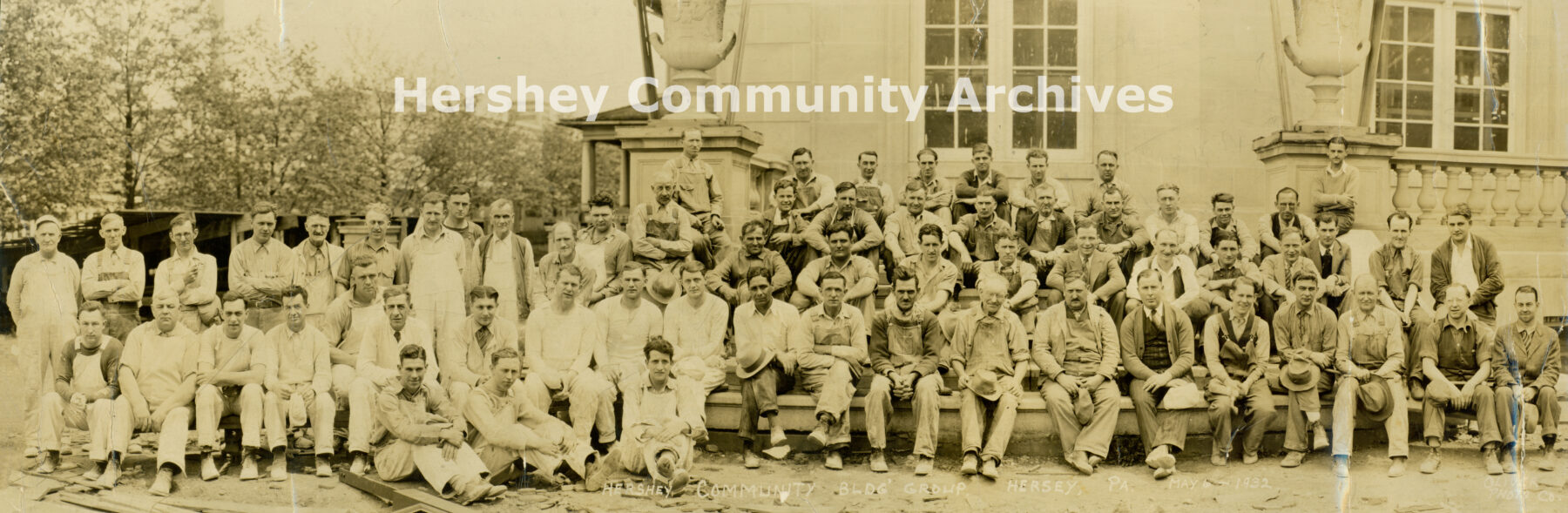
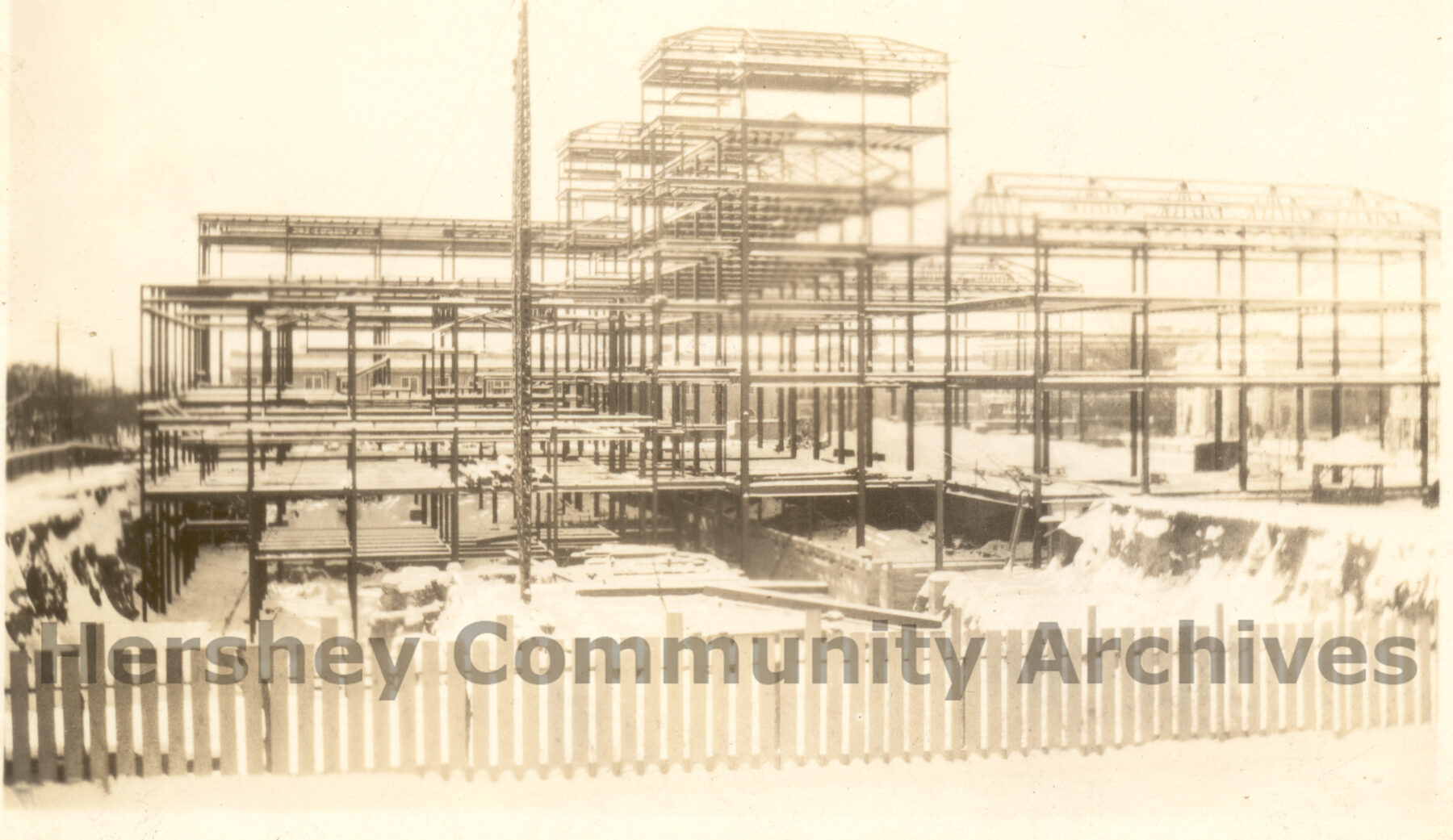
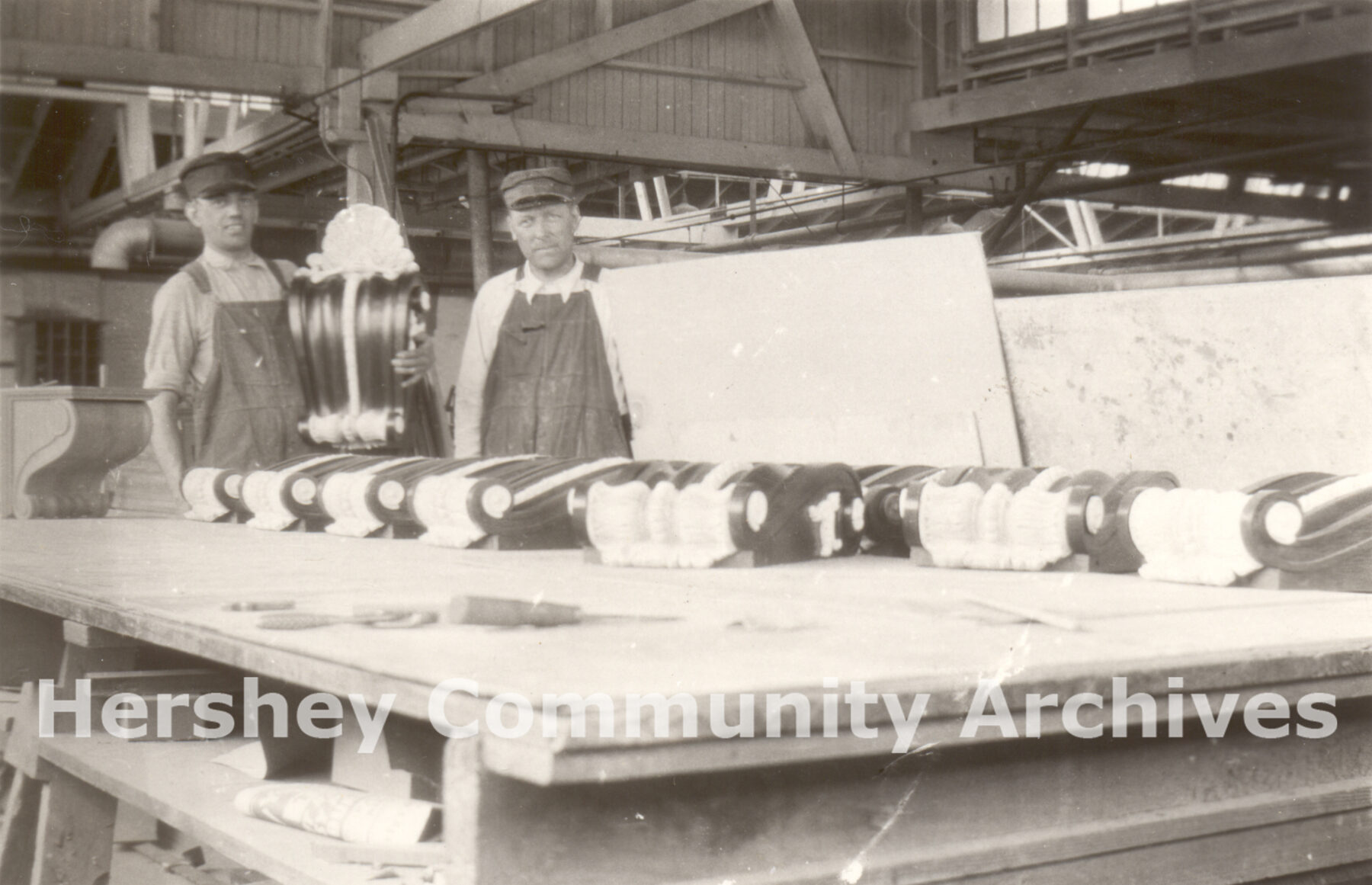
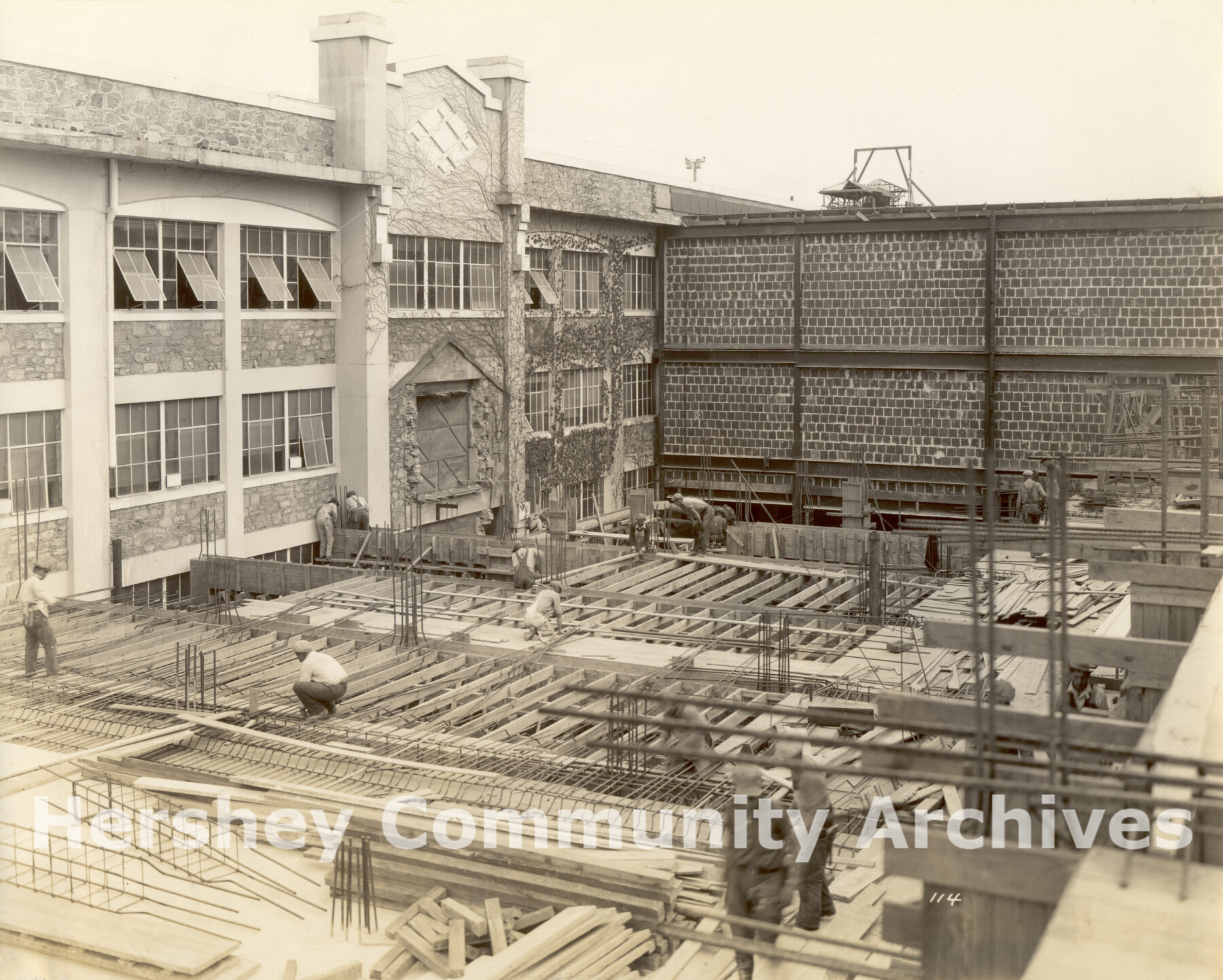
Almost a century ago, Milton S. Hershey began what we know today as his “Great Building Campaign.” The project was designed to keep residents of his model town employed during the Great Depression. The buildings erected during this time continue to be some of Hershey’s most iconic landmarks.
The October 1929 stock market crash launched a long economic decline that grew into the worldwide Great Depression of the 1930s. By 1933, 14 million Americans were unemployed, industrial production was diminished to one-third of its 1929 level, and the United States’ national income had dropped by more than half. The Depression impacted not only income, but also people’s hopes and dreams.
But the town of Hershey stood in sharp contrast to much of the United States during these years. While most industries retrenched and struggled to keep from shutting down, throughout the Depression Mr. Hershey’s affordable and tasty chocolate products enabled his company to enjoy sustainable sales and profits. The strength of the chocolate company also insulated other institutions in town. Unlike banks in other towns across the country, Hershey National Bank remained open and secured the financial assets of its account holders.
There were good business reasons for Mr. Hershey to pursue his construction campaign when he did. Besides the success of his chocolate company, profits from his operations in Cuba – where he grew and processed sugar – were also there to provide a financial base. Prices for building supplies were at an all-time low, and the labor force was certainly available. It seemed an ideal time to revisit building projects he had delayed for years. The Hershey Community Building was originally conceived in 1915, for example, and a plan for The Hotel Hershey had been announced 1909.
But there was another driving force behind the campaign – a more altruistic one. Throughout his life, the community Mr. Hershey built around his factory remained an enduring passion. He cared deeply for “his” town and the people who lived and worked there. When the Depression threatened to bring economic disaster right to his doorstep, Mr. Hershey met the challenge with his unique brand of benevolent paternalism.
“I have brought about six hundred workmen to this town,” Mr. Hershey is reported to have said. “If I don’t provide work for them, I’ll have to feed them. Therefore I have made up my mind that, since building materials are now at the lowest cost level, I am going to build.”
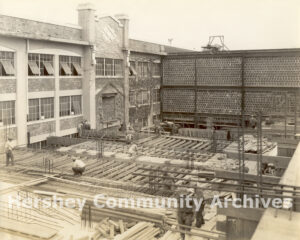
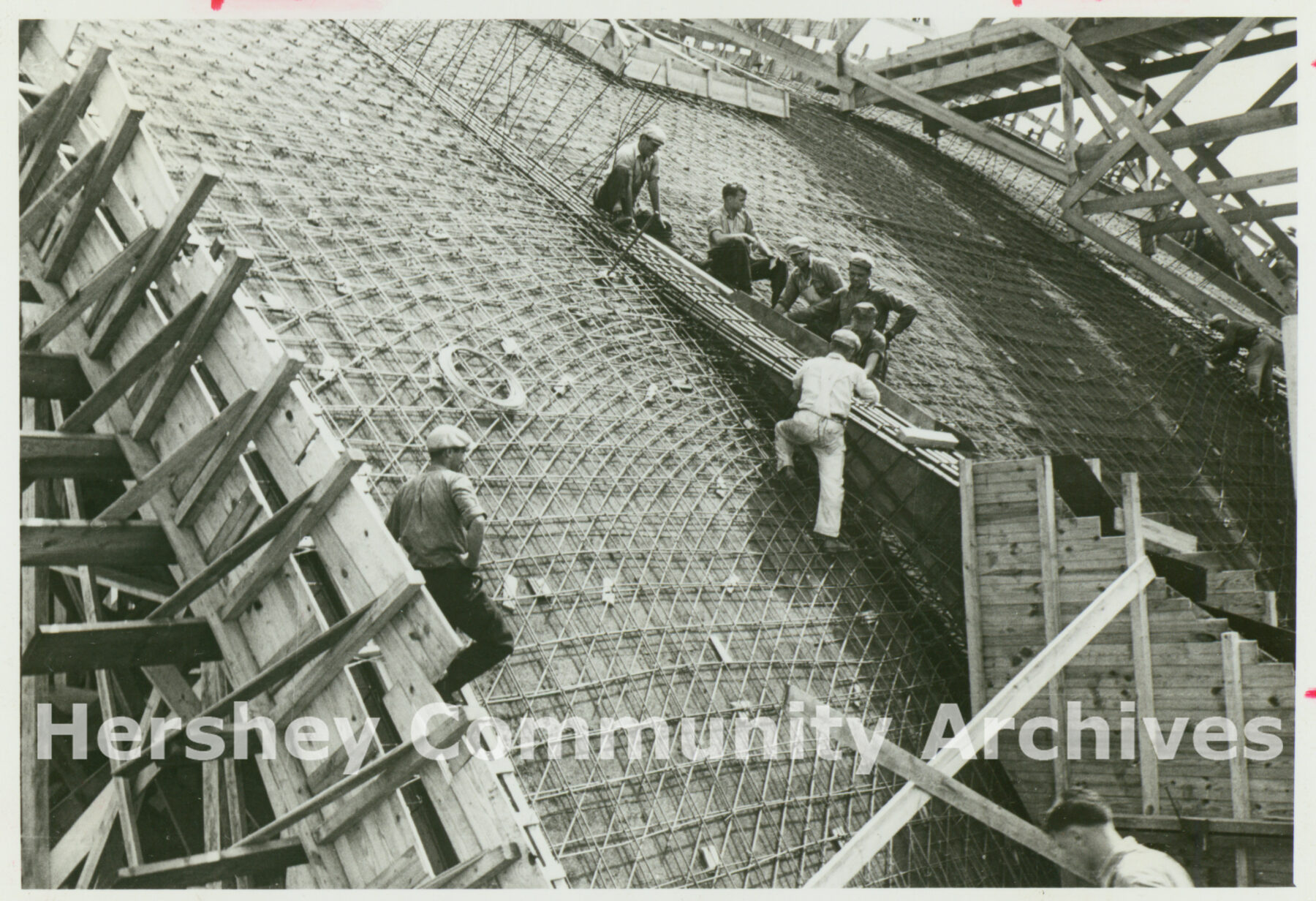
So, Mr. Hershey launched what is now called his “Great Building Campaign” to bolster the local economy. Townspeople found work building the structures that would eventually become some of the major amenities and tourist attractions in town, and the result was a town that offered facilities and features unheard of for a community of its size.
Mr. Hershey kept close tabs on these construction projects. It’s said that when the landscaping began atop Pat’s Hill as the first step for building the Hotel, Mr. Hershey watched intently as two huge steam shovels tore apart the earth. His foreman told him, “These machines do the work of forty men.” And Mr. Hershey simply replied, “Take them off. Hire forty men.”
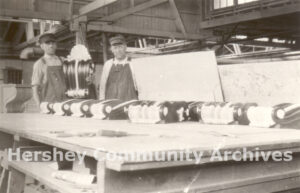
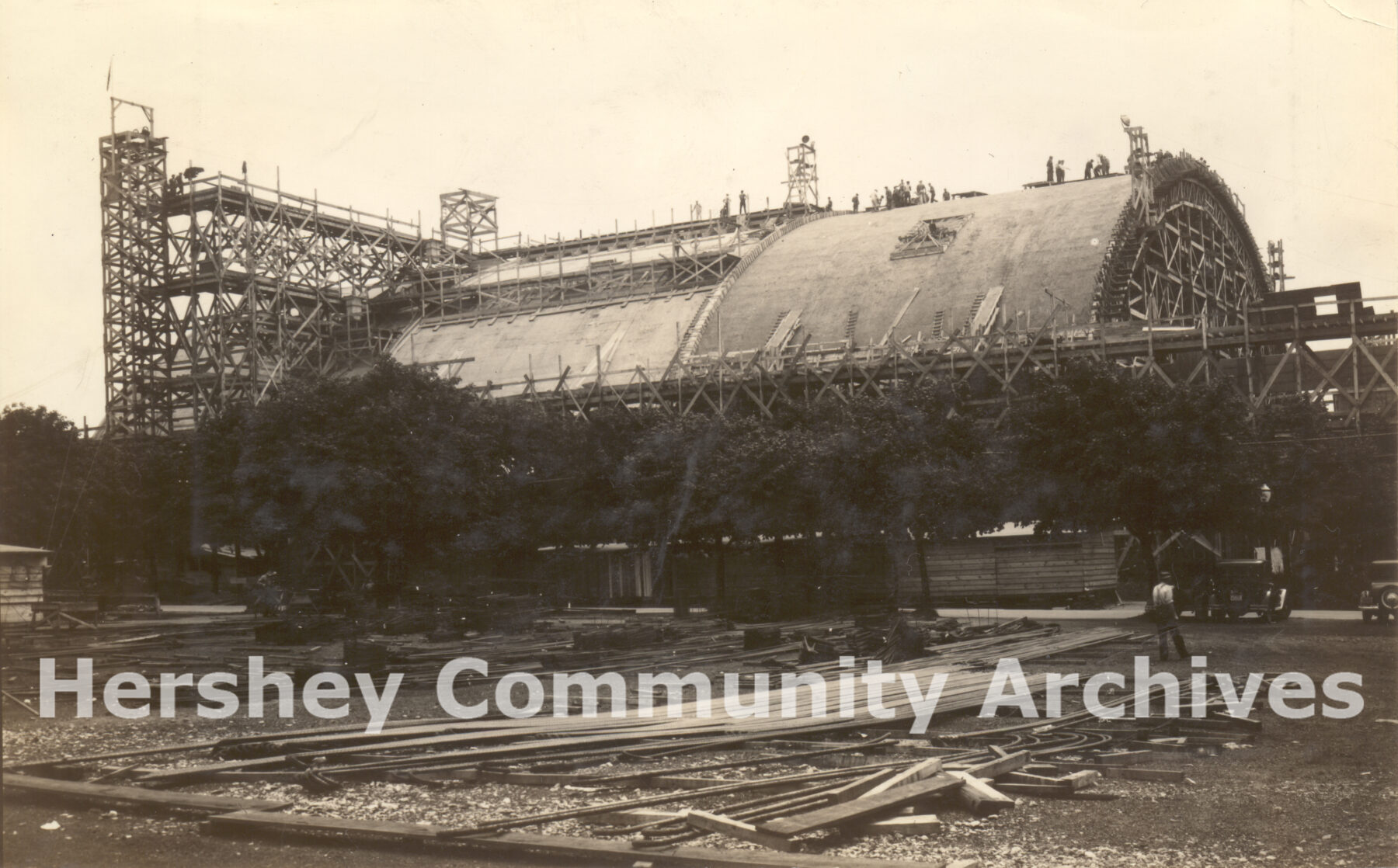
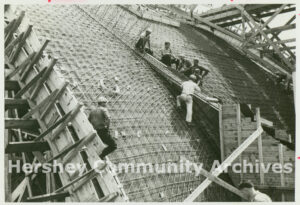
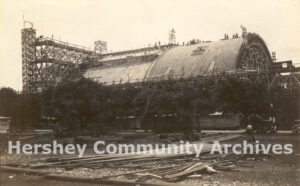
The Great Building Campaign produced a variety of monumental structures that remain important to the town of Hershey today. The major buildings included: Hershey Community Building, including Hershey Theatre; The Hotel Hershey, which continues to host thousands of visitors each year; Hershey Industrial School Junior-Senior High School, which is now called Catherine Hall and functions as Milton Hershey School’s middle school; Windowless Office Building on Chocolate Avenue, which still serves as offices for The Hershey Company; Hershey Sports Arena, now called Hersheypark Arena; and Hershey Sports Stadium, now called Hersheypark Stadium.
In addition to the major buildings, Mr. Hershey also initiated smaller projects to provide employment while developing the community, including Hershey Rose Garden (now called Hershey Gardens), new rides and attractions for Hershey Park (now called Hersheypark) and new facilities for the Hershey Zoo (now called ZooAmerica North American Wildlife Park) were also completed during these years.
Mr. Hershey also used the Great Building Campaign as a time to further promote the sport of golf in town. In 1930 he started the Hershey Country Club and retained golf architect Maurice McCarthy to design what is now known as the West Course. Its signature fifth hole is located on the front yard of Mr. Hershey’s home, High Point Mansion. In fact, he donated his home to serve as the clubhouse while he maintained a small apartment on the second floor. He also opened Park Golf Course (later known as Parkview) for the public and a nine-hole course at the Hotel. He even introduced the first golf course in the nation dedicated to junior golfers, now called Spring Creek Golf Course.
Another sport, hockey, can also trace its Hershey roots to the era of the Great Building Campaign. The Hershey Ice Palace began hosting games in 1931. In 1936 the Hershey Sports Arena opened, it became home to the Hershey Bears, now the oldest club in American Hockey League history.
The addition of these attractions built on the community’s image as a center for entertainment and relaxation. By the end of the decade, the town of Hershey had emerged as a nationally known tourist destination and was called the “Summer Playground of Pennsylvania.” Today the majority of the projects that began as part of the Great Building Campaign continue to exist and stand as memorials to Mr. Hershey’s vision, generosity, and dedication to his town and its residents.
“As far as I know, no man was dropped by reason of the Depression,” Mr. Hershey is reported to have said. “And no salaries were cut.”
Major public building projects:
- Vocational School Building (1929)
- Community Building & Hershey Theatre (Nov. 1928-Sept. 1932)
- Hershey Industrial School Hospital (Aug. 1932)
- The Hotel Hershey (Oct. 1931-May 1933)
- Hershey Industrial School Junior-Senior High School (Nov. 1932-1934)
- Windowless Office Building (Sept. 1934-Dec. 1935)
- Hershey Sports Arena (Dec. 1936)
- Hershey Stadium (1939)
Other projects:
- Hershey Industrial School farm units (student homes with barns) – 40 units (1927-1937)
- Hershey Country Club (West Course) (1930)
- Park Golf Course (1930)
- Hershey Zoo facilities (1930-1934)
- Hershey Park rides and attractions (1930-1937)
- Residential homes – 37 in the Maple Ave. neighborhood (1931-1939)
- Juvenile Golf Course (1932)
- Hershey Rose Garden (1936-1937)
Gallery
Click image to view larger